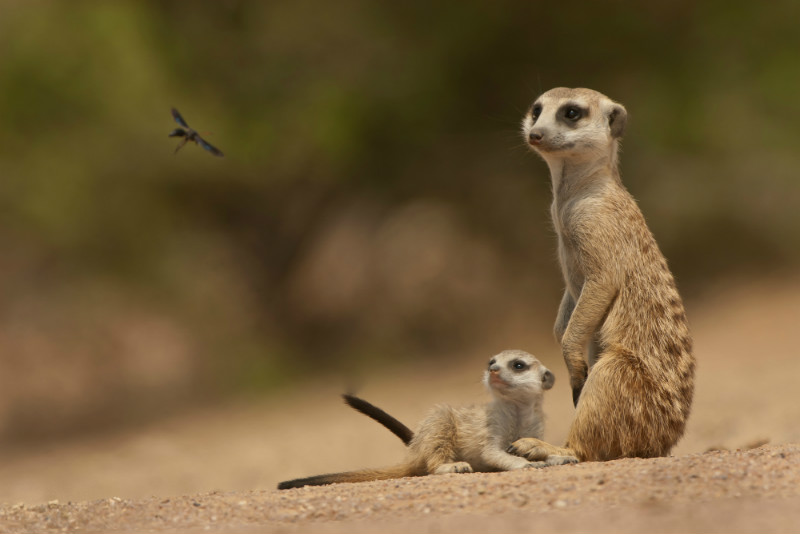
Type: Mammal – Mongoose family (Herpestidae) Habitat: Southern African deserts (Botswana, Namibia). Features: Slim body, cute face, dark circles around the eyes. Stands upright on hind legs to watch for danger. Behavior: Very social; lives in family groups. Diet: Insects, worms, small reptiles, eggs. Importance: A great example of cooperative social behavior in animals.Read More
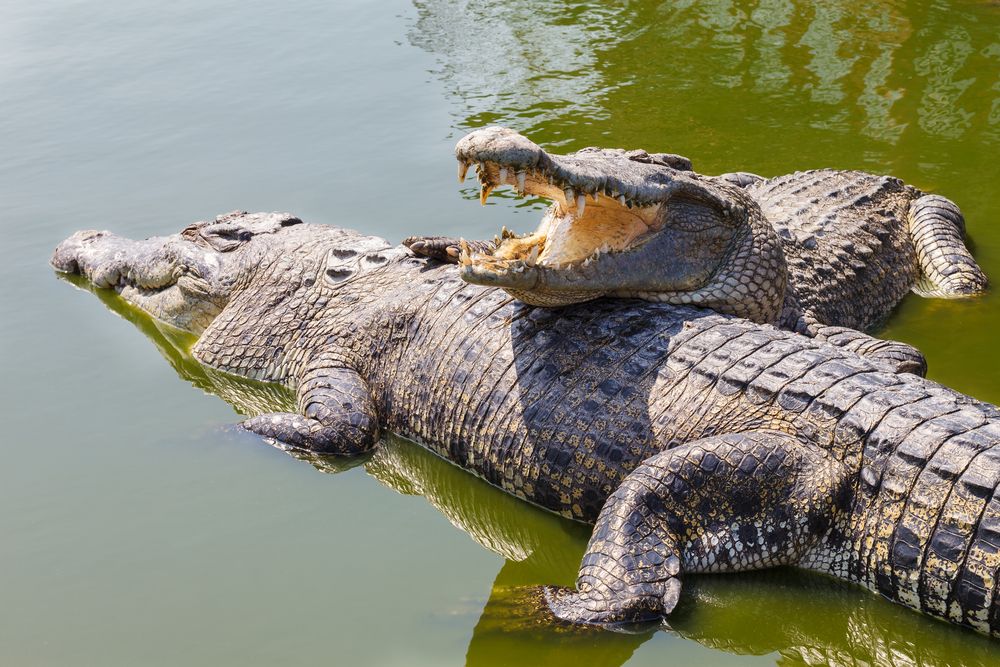
Type: Reptile Habitat: African rivers and lakes. Features: Second largest crocodile after the saltwater crocodile. Can grow over 5 meters long. Extremely powerful jaws. Behavior: Ambush predator; attacks swiftly from water. Diet: Fish, birds, land animals, sometimes livestock. Importance: A key apex predator maintaining ecological balance in aquatic environments.Read More
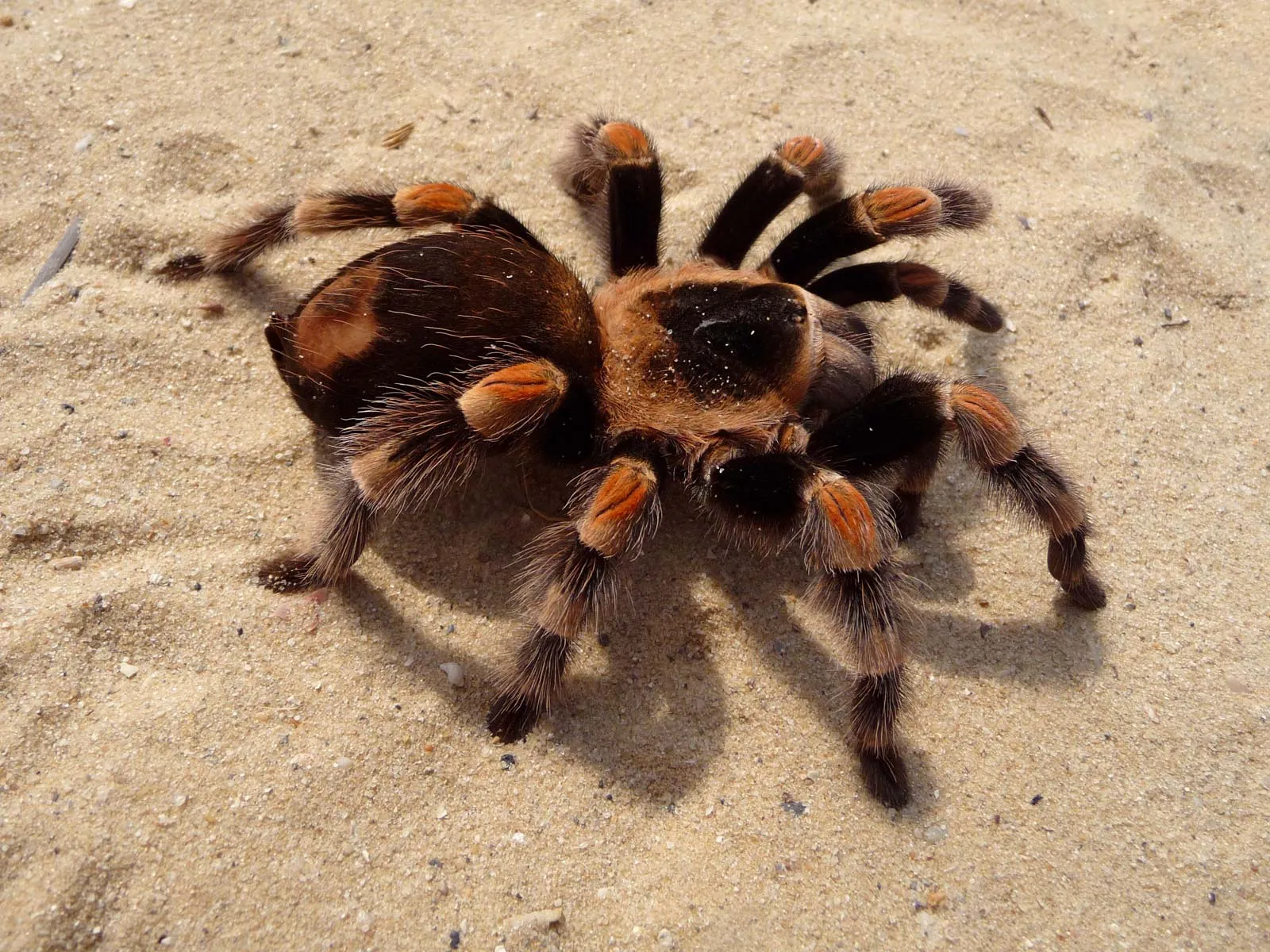
Type: Large spider – Theraphosidae family Habitat: Tropical forests and deserts. Features: Large size, hairy bodies. Various colors depending on species. Behavior: Generally calm; bites only in defense or when hunting. Venom: Painful but not lethal to humans. Importance: Control insect and small rodent populations; popular as exotic pets.Read More
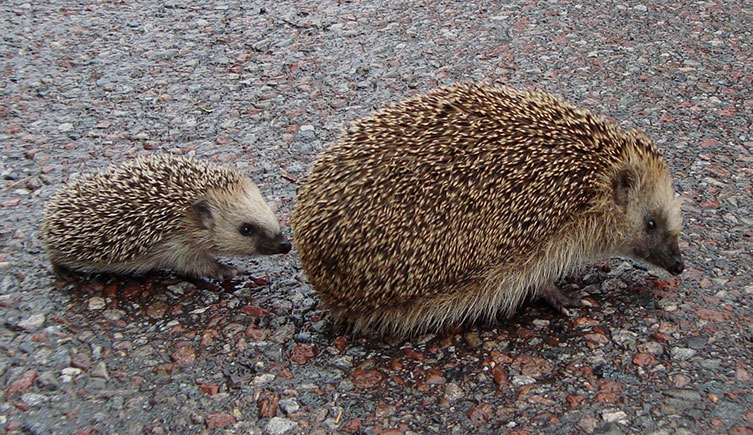
Type: Small mammals Habitat: Grasslands, deserts, gardens. Features: Covered in sharp spines for defense. Curl into a ball when threatened. Behavior: Nocturnal; beneficial to gardens by eating pests. Diet: Insects, worms, eggs, occasionally fruits. Importance: Eco-friendly pest controllers; sometimes kept as pets.Read More
Type: Arthropods (Myriapoda class) Habitat: Moist environments, under decaying leaves. Features: Long, segmented body with two pairs of legs per segment. Do not literally have 1,000 legs; typically between 30–400 depending on the species. Behavior: Slow-moving, non-venomous, secrete foul fluids as defense. Diet: Decaying plant matter; important for nutrient recycling in ecosystems.Read More
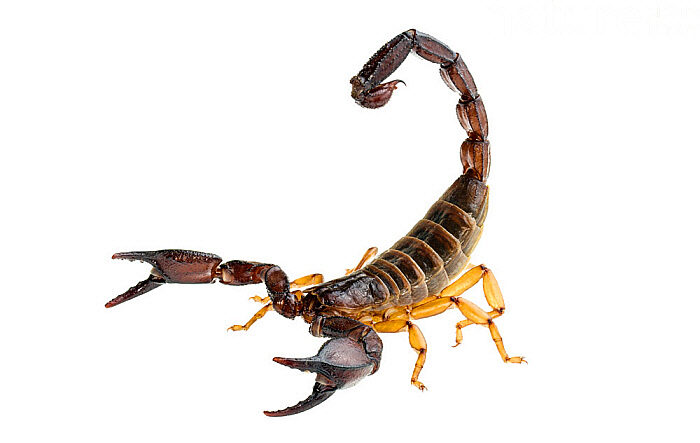
Type: Arthropod – Scorpion family Habitat: Desert and semi-arid regions. Features: Light yellow or sandy-colored body. Curved tail with venomous stinger. Behavior: Nocturnal; hides under rocks during the day. Venom: Moderate to strong; causes intense pain but rarely fatal to healthy adults. Importance: Helps control insect populations; part of desert ecosystems.Read More
Type: Terrestrial mollusk Habitat: Humid African regions; now spread worldwide. Features: The largest land snail species, up to 20 cm long. Brown spiral-patterned shell. Behavior: Nocturnal; prefers humid environments. Diet: Plants and vegetables; can harm crops. Importance: Sometimes kept as a hobby pet, but considered an agricultural pest in many countries.Read More
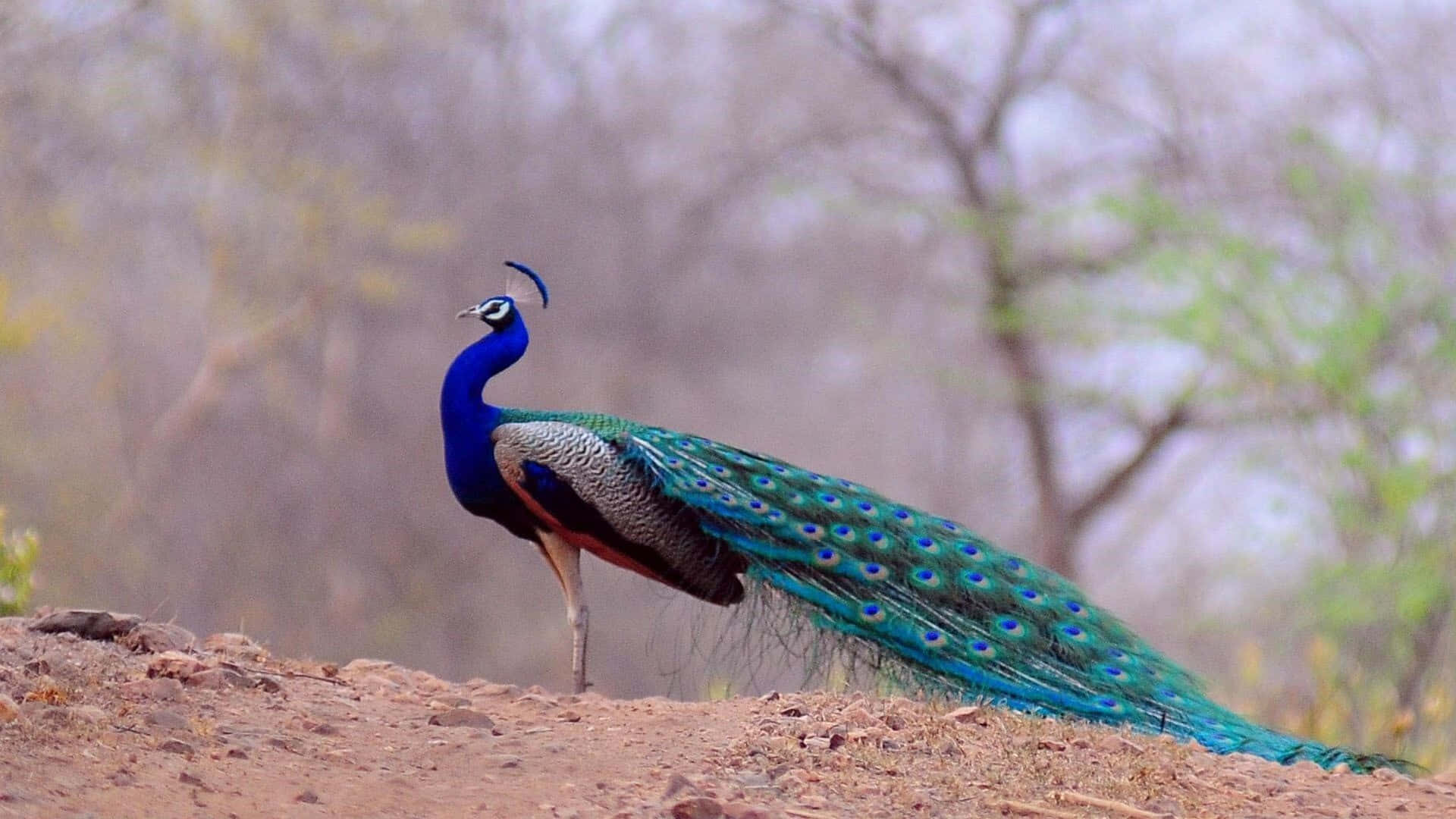
Type: Bird – Pheasant family (Phasianidae) Habitat: Native to India and Sri Lanka, now found in gardens and parks worldwide. Features: Males have long, colorful tail feathers with distinctive “eye” patterns. Females are less colorful. Behavior: Males fan their tails to attract females during mating season. Diet: Grains, insects, small fruits. Importance: A symbol of...Read More